
MRL
MRL passenger elevator
The drive sits inside the shaft, so there is no machine room on the roof. It saves space and building cost on residential towers.
Best for: apartment towers, mixed-use buildings
View details →
Hosting, elevator company in China
Hosting builds passenger, MRL and hospital elevators in its own factory, with OEM/ODM options for developers, contractors and distributors. Configured to your shaft and load, packed for sea freight, with spare parts and remote support after delivery.
Prefer to chat? Message us on WhatsApp
MRL, no machine room: more usable floor space per project.
Polish projects range from new apartment developments and office buildings to hospital upgrades and modernisation of older properties. Choose the elevator type that fits your building, then configure it to the available shaft and required load.
The drive sits inside the shaft, so there is no machine room on the roof. It saves space and building cost on residential towers.
Best for: apartment towers, mixed-use buildings
View details →A proven traction setup with a machine room. Suited to mid-rise projects where budget and easy servicing matter most.
Best for: residential blocks, offices and mid-rise buildings
View details →A deep car sized for beds and stretchers, with smooth starts and stops for patient comfort.
Best for: hospitals, clinics and care facilities
View details →A glass car and shaft that show the view and make the lobby a feature of the building.
Best for: hotels, shopping centres and public buildings
View details →Not sure which fits? Send your number of floors, load and shaft size, and we will recommend a configuration.
Request a quote_1792042381_WNo_1024d1536.jpg)
When you work with Hosting on a project in Poland, the team preparing your quotation also coordinates production. This keeps technical specifications, pricing and export arrangements aligned from the initial enquiry to delivery.
We design, build and test elevators in our own factory, so there is no middleman between you and production.
Load, speed, car size, finishes and controls are configured to your shaft and your brand, with OEM/ODM options.
Elevators are tested at the factory before shipping. CE certification documents are available on request.
Sea-freight packing, shipping documents and installation drawings for overseas sites.
See the factory buildings, machining workshops and production processes behind Hosting elevators supplied to projects in Poland.
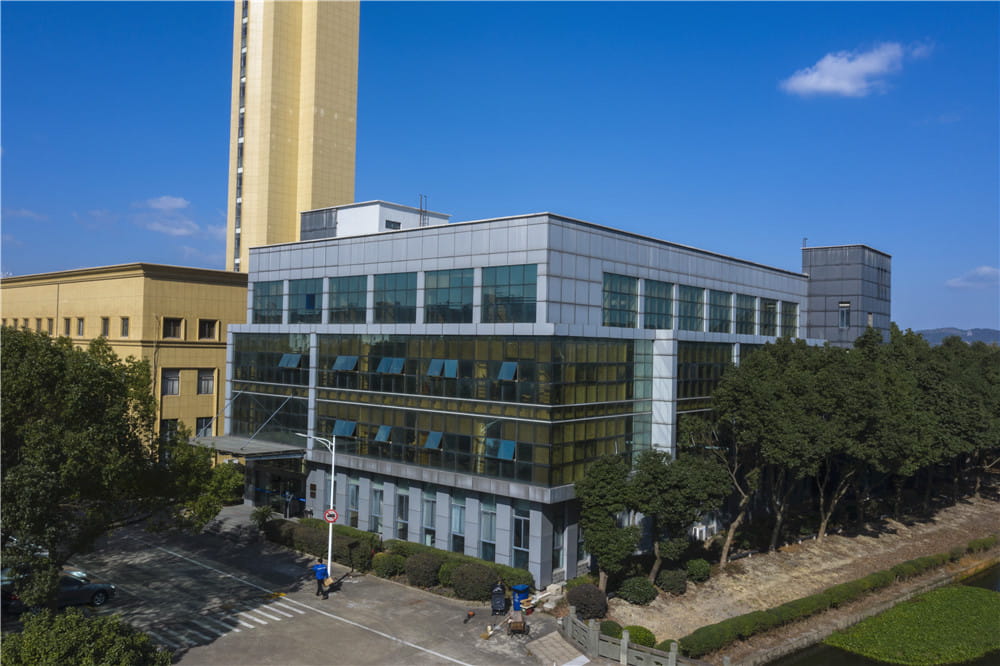
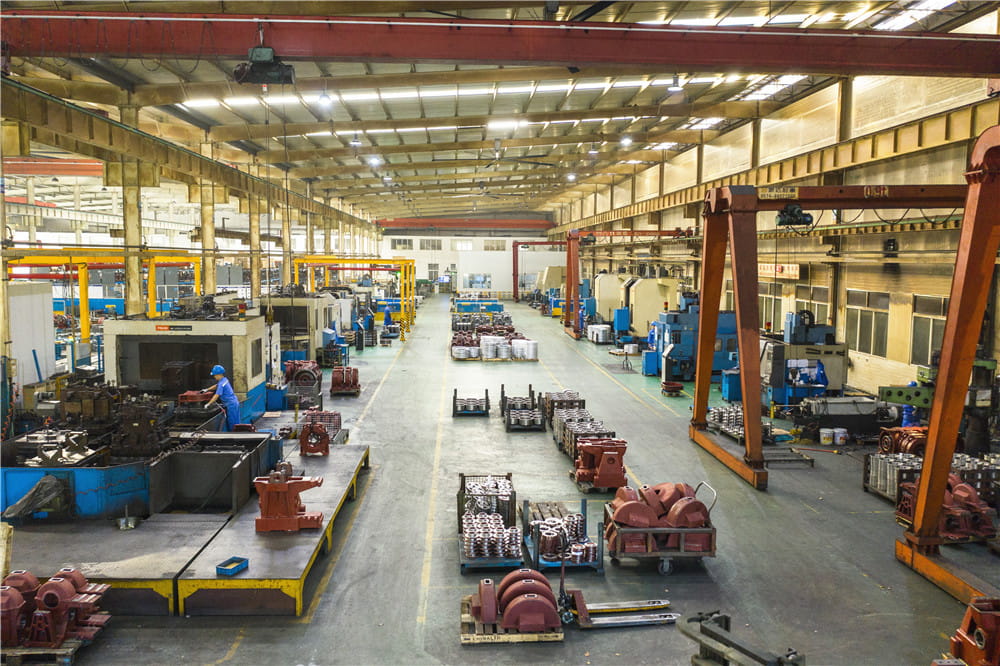
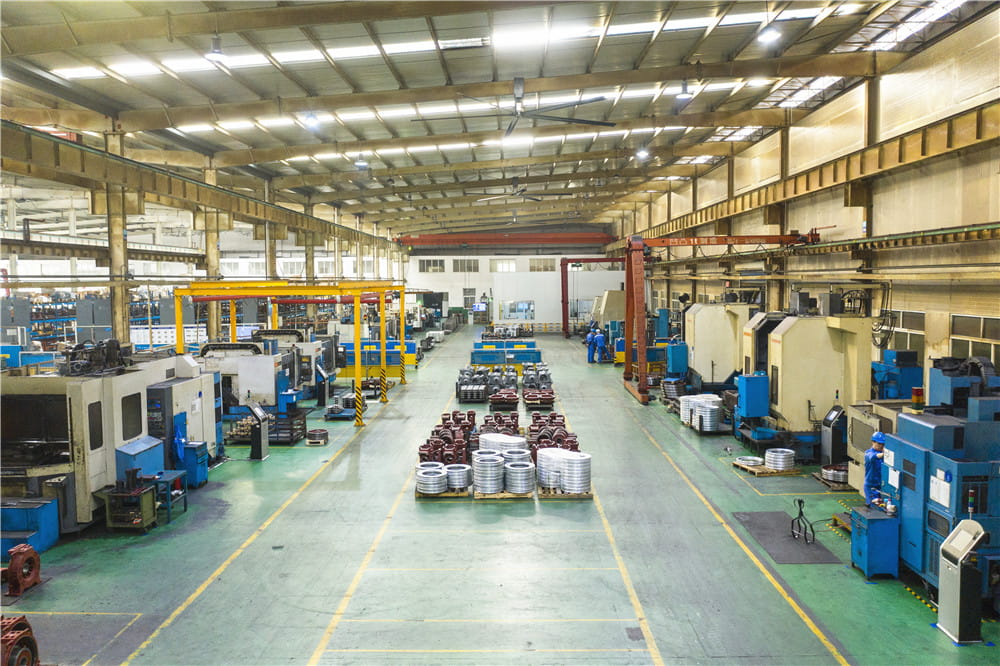

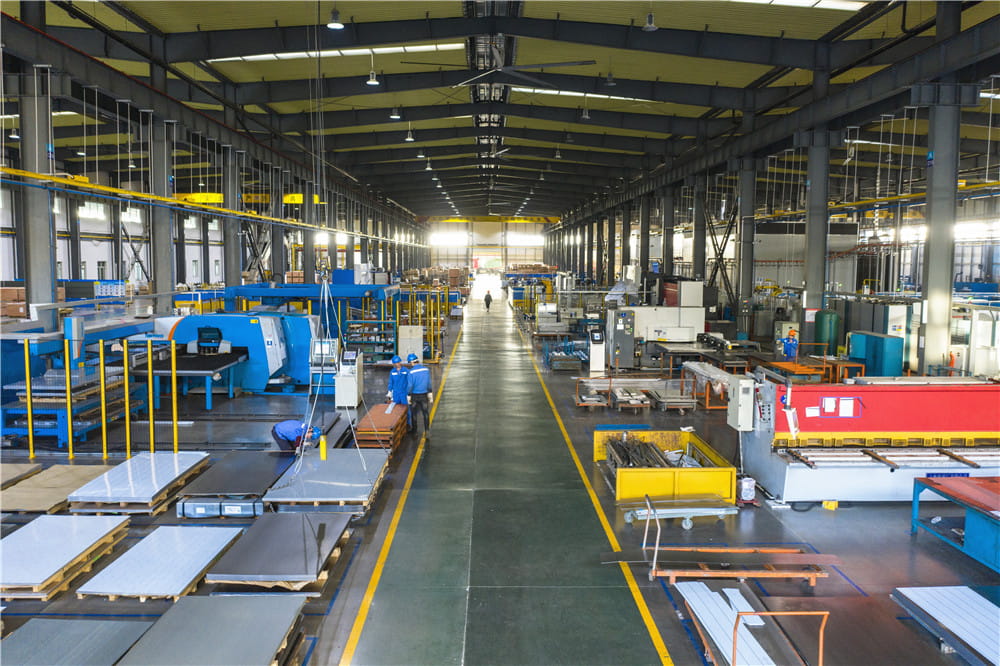
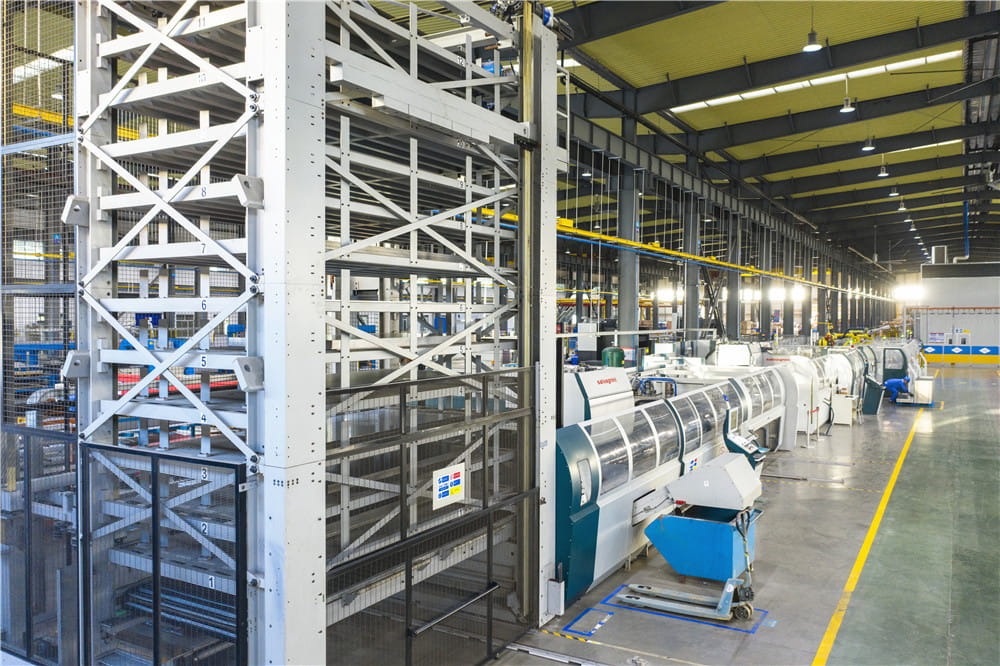
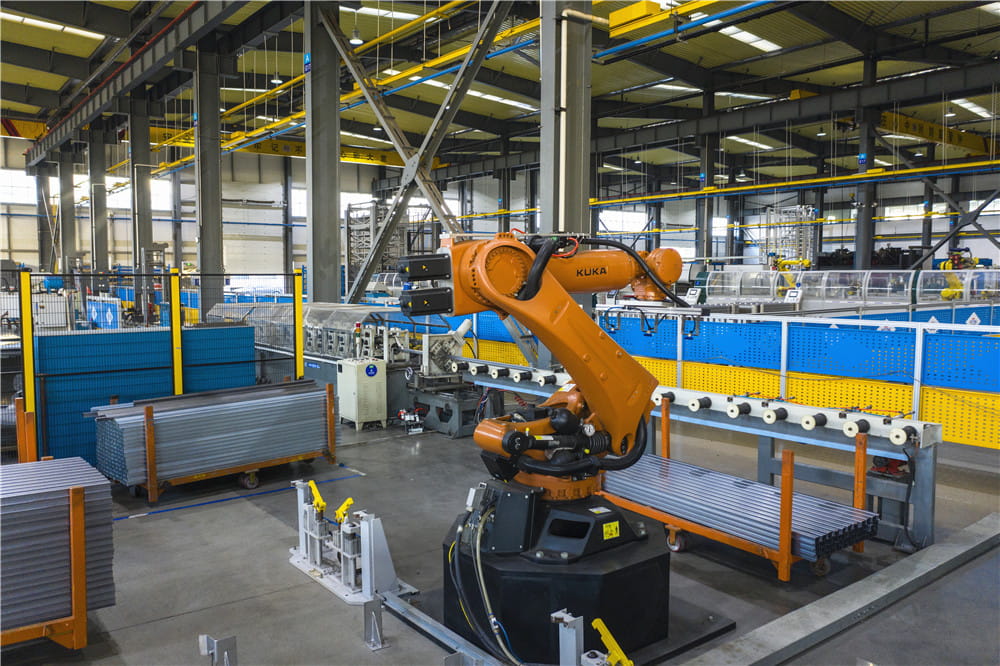

Want to see the line running? We can arrange a video tour of the factory for your team.
Request a factory video tourPractical answers for Polish developers, contractors, installers and distributors covering EU compliance, UDT procedures, delivery, installation coordination and after-sales support.
Ask us a questionAs an initial budgeting reference, a basic passenger elevator sourced from China may have an equipment-only FOB price of approximately US$6,000–26,000, depending on its capacity, speed, number of floors, drive system and configuration. This is not a confirmed quotation for the Polish market or a complete installed price. Buyers must also budget for international shipping, cargo insurance, customs duty based on the applicable CN tariff code, Poland's 23% import VAT, customs clearance, inland transport, installation and UDT-related procedures. Request a separate breakdown of equipment, shipping and local project costs before comparing suppliers.
Yes. A passenger elevator placed on the EU market generally needs to comply with the applicable Lift Directive 2014/33/EU and complete the required conformity assessment before being placed on the market. Buyers should request the EU Declaration of Conformity, relevant CE documentation, technical specifications and documents for the actual elevator configuration. Do not rely only on a general CE certificate or a certificate for a different model; check that the documents cover the supplied elevator and its safety components.
Hosting can discuss the electrical configuration for a Polish project, but the required voltage and frequency must be confirmed for the selected elevator model before production. Poland commonly uses a 230/400 V, 50 Hz electrical supply. Buyers should provide the project's available power supply, phase arrangement and site electrical drawings, then request written confirmation of the motor, controller, protection devices and other electrical components. The final configuration should be checked by the local electrical contractor before installation.
Hosting's product range includes passenger elevators, home elevators, panoramic elevators, hospital or bed elevators, freight elevators, car elevators, escalators and moving walks. For example, a residential developer can consider an MRL passenger elevator, a private homeowner can ask about a villa elevator, and a warehouse operator can evaluate a freight elevator. Hosting also lists freight elevator capacities from 630 kg to 5,000 kg. The suitable model depends on the building height, rated load, shaft dimensions, travel speed and intended use, so buyers should provide project drawings before requesting a quotation.
Hosting offers customized elevator configurations, including machine-room-less options, but whether a model fits an existing building must be checked against the actual site dimensions. Before requesting a design, provide the shaft's internal width and depth, pit depth, overhead clearance, floor-to-floor heights, entrance width and number of stops. Photos and architectural drawings are also useful. Do not assume that an MRL elevator automatically fits a restricted shaft; the manufacturer and local installer must confirm the layout, clearances and applicable safety requirements.
The total delivery schedule depends on drawing approval, production, shipping, customs clearance and local installation. Hosting lists a typical production lead time of around 4–8 weeks for certain passenger and freight elevator offerings, but this should not be treated as the complete delivery time to Poland. Sea freight, port handling, customs procedures, site readiness and UDT acceptance add further time. Before signing the contract, request a project schedule showing the drawing approval date, production completion date, estimated shipment date and the expected arrival and installation milestones.
Ask for a written warranty schedule that specifies the coverage period, included components, exclusions, response process and responsibility for labor, travel and international spare-parts shipping. Confirm whether the warranty starts at shipment, delivery or commissioning, and whether remote technical support is available to the Polish maintenance team. Hosting provides overseas after-sales support, but buyers should separately confirm the service arrangement available in Poland, including the local technician responsible for emergency visits and routine maintenance. A clear division of responsibilities can prevent disputes when a fault occurs after installation.
Send us your building plans, number of stops, rated load and shaft dimensions. Hosting will review the project requirements and recommend a suitable elevator configuration.